The doubling of the Bathinda–Lalgarh railway line, an important rail corridor under the North Western Railway, is expected to gain momentum soon.
The Ministry of Railways is preparing to start work on the project within the current financial year.
The Final Location Survey (FLS) for the 320.17-kilometre-long railway route has already been completed.
DPR Receives Technical Approval
Following the survey, the Project Appraisal Committee of the Railway Board granted technical approval to the Detailed Project Report (DPR) on February 20.
The Railway Board has now forwarded the proposal to NITI Aayog for budget approval. Once cleared, the long-awaited project will move forward.
Project Estimated at ₹3,455 Crore
The DPR for the rail line doubling project has been approved with an estimated cost of ₹3,455 crore.
Projects exceeding ₹500 crore require approval from NITI Aayog before implementation, making the final clearance a key step for the project to begin.
New Parallel Track and Bridge Construction
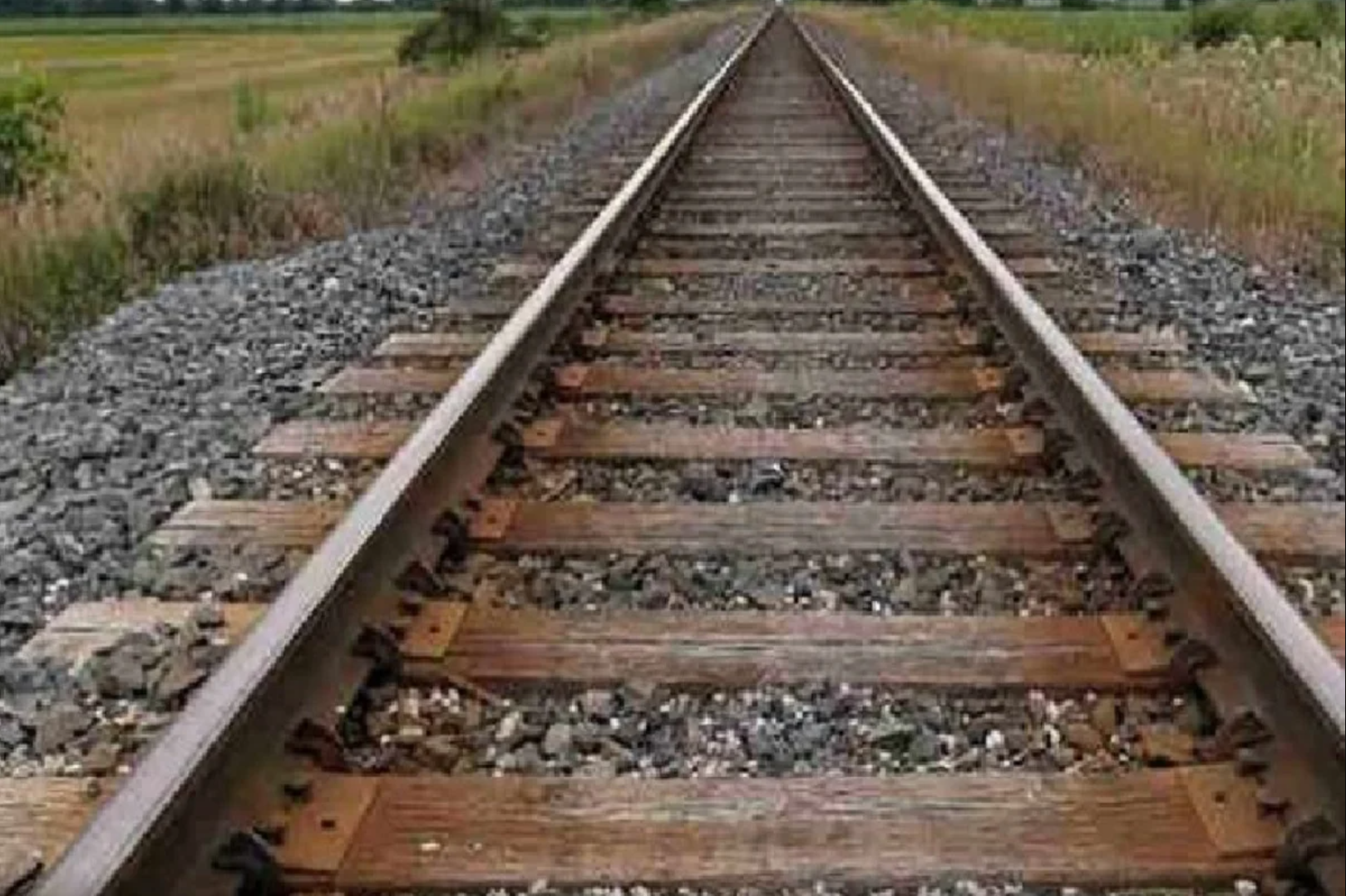
Under the project, a new railway line will be laid parallel to the existing track along the Bathinda–Hanumangarh–Suratgarh–Lalgarh rail section.
The plan also includes the construction of several small and large bridges along the route to support the upgraded infrastructure.
Major Boost for Coal and Freight Transport
The rail corridor plays a critical role in freight movement due to the presence of the Suratgarh Thermal Power Station.
Currently, about 10 coal rakes move daily from Bathinda to the Suratgarh thermal plant.
In addition, cargo arriving at Kandla Port is transported through this route to Punjab and Delhi.
Single Line Causing Delays
At present, the rail section operates on a single line, which often forces freight trains to wait for passenger trains to clear the track.
Coal rakes sometimes remain in waiting for one to two days, causing delays in supply.
Doubling to Improve Train Operations
Officials said that once the line is doubled, both passenger and freight train operations will become faster and smoother, significantly improving logistics efficiency and rail connectivity in the region.